
Cosmetic product photography is judged on two things a shopper can check after delivery: whether the shade is the shade, and whether the packaging looks like the object in their hand. Kive fits beauty ranges because a saved studio holds one lighting state across every shade in a line, which is where colour consistency actually comes from. Everything else in this article is downstream of those two constraints – reflective packaging and honest colour.
Shade accuracy is the whole category
In most product categories a slightly warm image is a stylistic choice. In cosmetics it is a return. The buyer purchased a specific red, received a different red, and the photograph is the thing they compare against.
That makes colour a constraint rather than a preference, and it rules out a large part of what generated imagery finds easy. A scene that shifts white balance to feel warmer has, in this category, changed the product.
Protecting the shade
Capture the source frame under neutral light and check it against a physical reference before anything else happens. If the source is already warm, every generated scene inherits that warmth and the error compounds quietly across a range.
Then keep at least one frame per product that is deliberately undramatic – even light, neutral ground, no coloured spill. That is the frame the shade is judged from. Our guide to brand colour accuracy covers the monitor and reference side of that check.

Packaging that mirrors the room
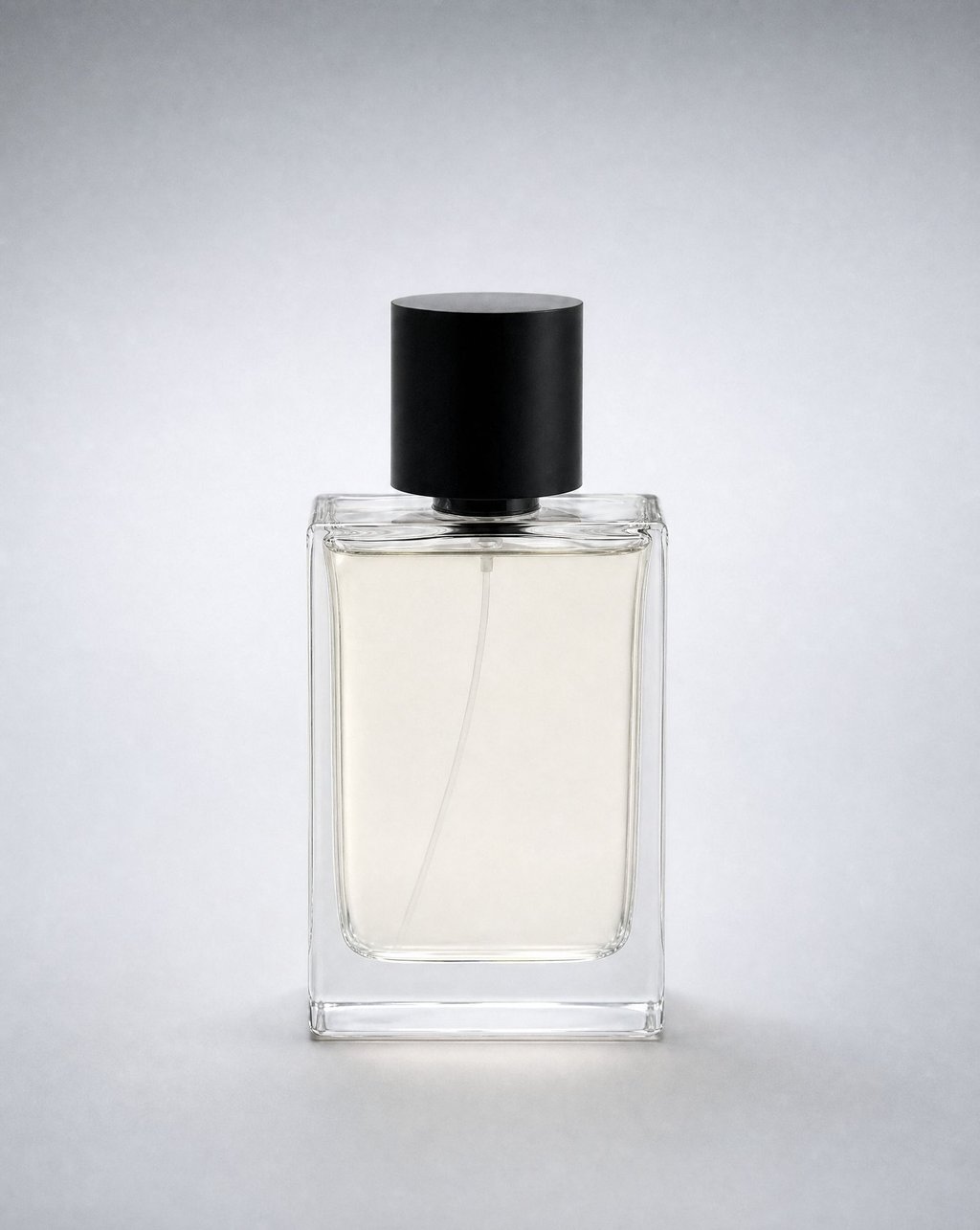
Beauty packaging is disproportionately polished metal, lacquer and glass. Those surfaces do not have a colour so much as they report their surroundings, which creates a problem specific to this category.
What survives from the source frame
Whatever the packaging reflected when you photographed it stays reflected afterwards. A window, a light stand, the person holding the camera – all of it is baked into the object, and generated staging changes the room around the bottle without changing what the bottle is reflecting.
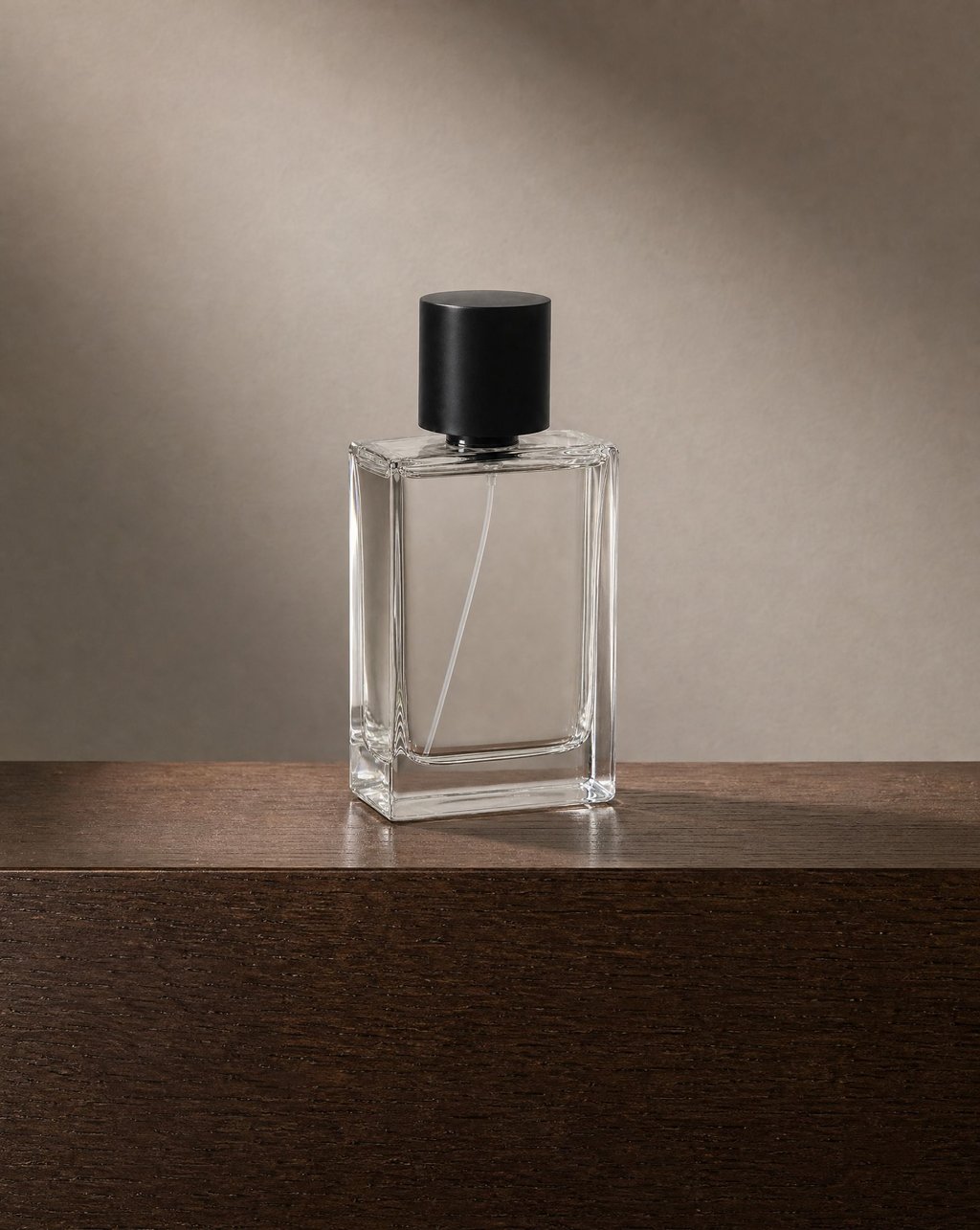
The fix is at capture, not afterwards. Shoot reflective packaging against a large plain surface, keep the photographer out of the mirror line, and check the reflections at full size before the frame goes anywhere near a generator. For fragrance specifically, our guide to the best angles for perfume product photography covers where glass behaves and where it fights you.
Glass adds a second behaviour: it concentrates light rather than scattering it, throwing bright caustics onto the surface beneath. That is correct and worth keeping – a bottle with no caustic under it reads as plastic.
Mood frames and honest frames
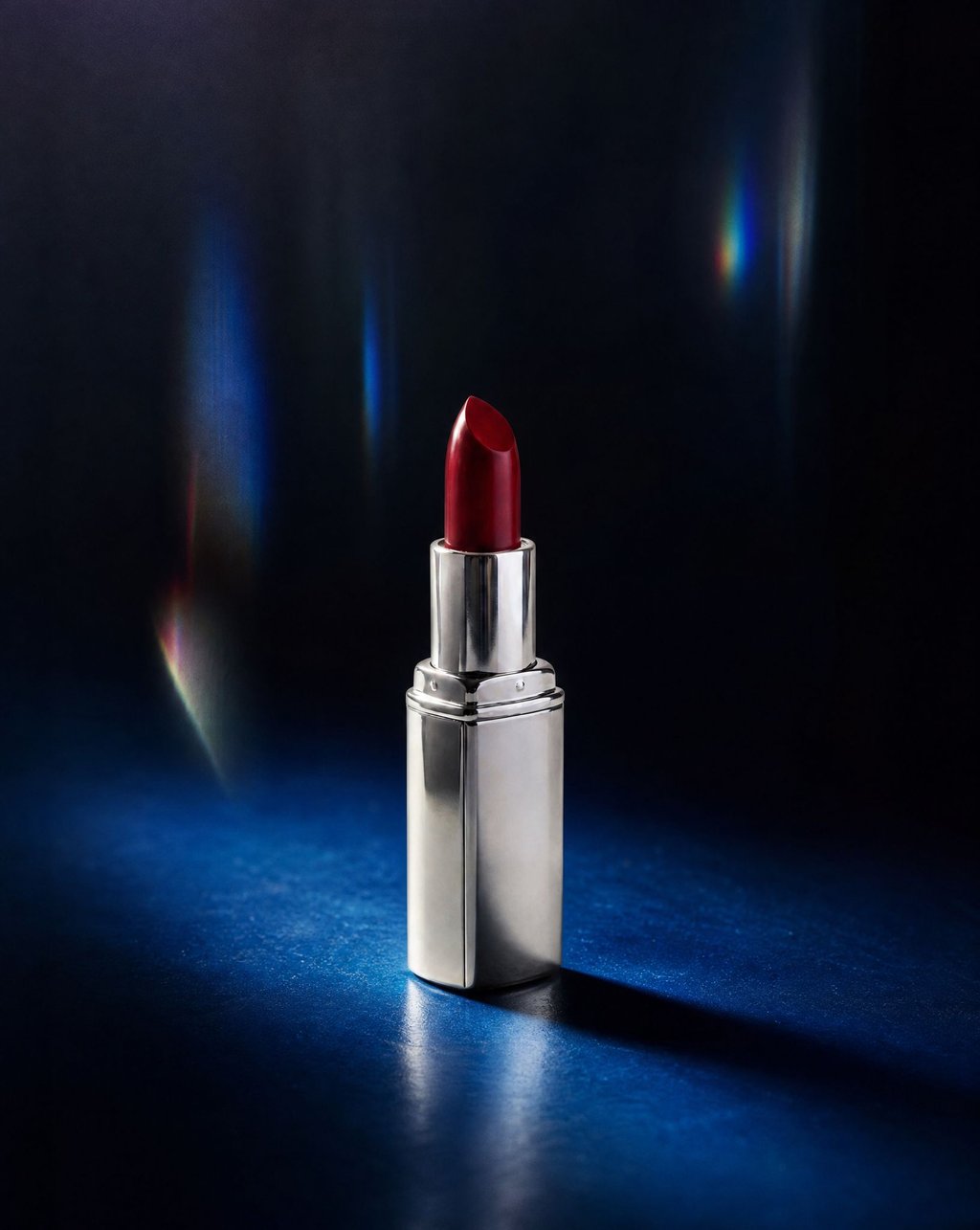
Beauty advertising leans dark and dramatic for good reason: it flatters, it signals price, and it makes a small object look considerable. It also hides the exact thing the buyer needs to see.
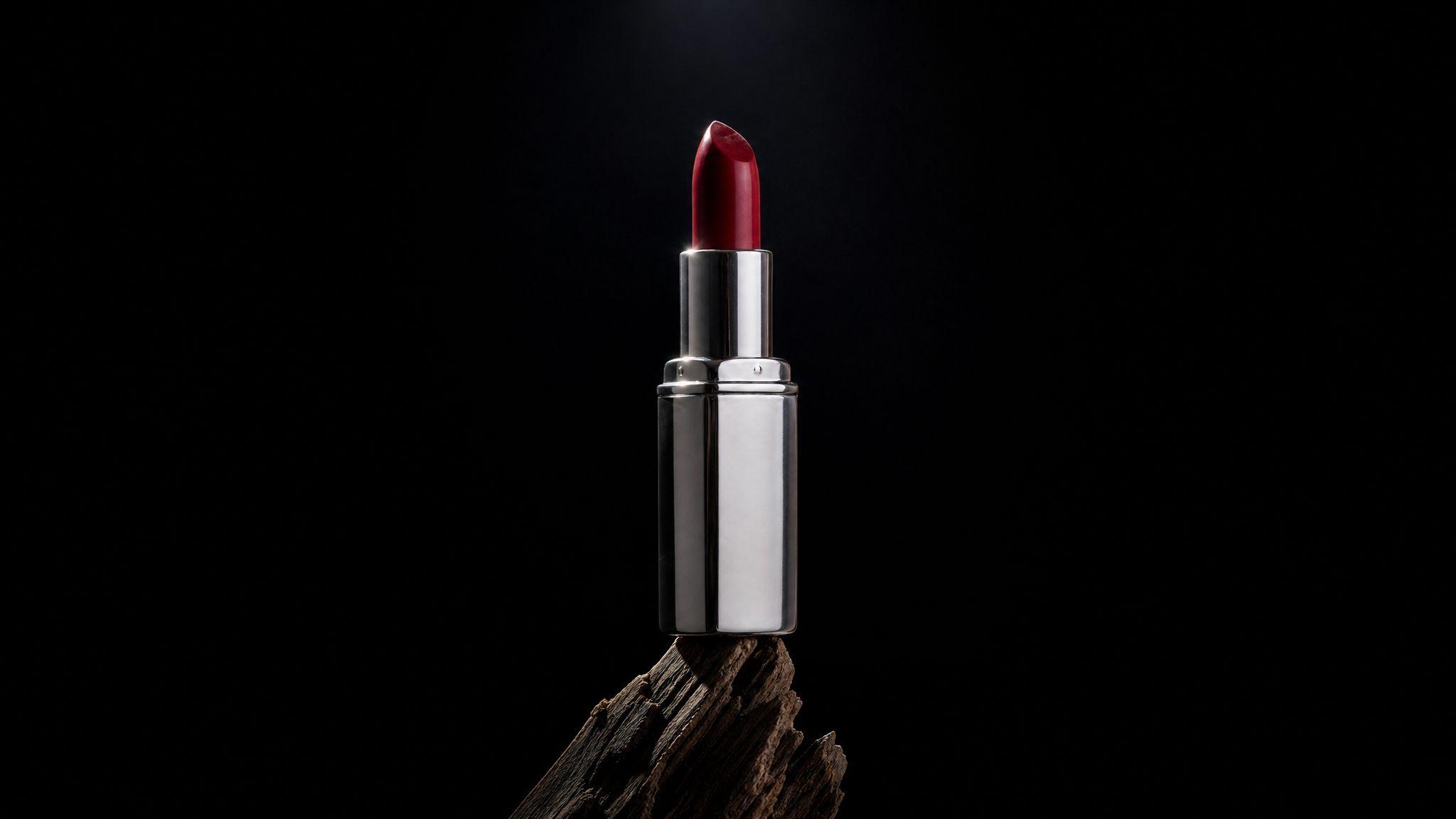
The hero image at the top of this article is a lipstick under a single narrow beam against black. It is the most attractive frame in this piece and the least useful for judging the shade. That is not a criticism of the treatment – it is an argument for having both.
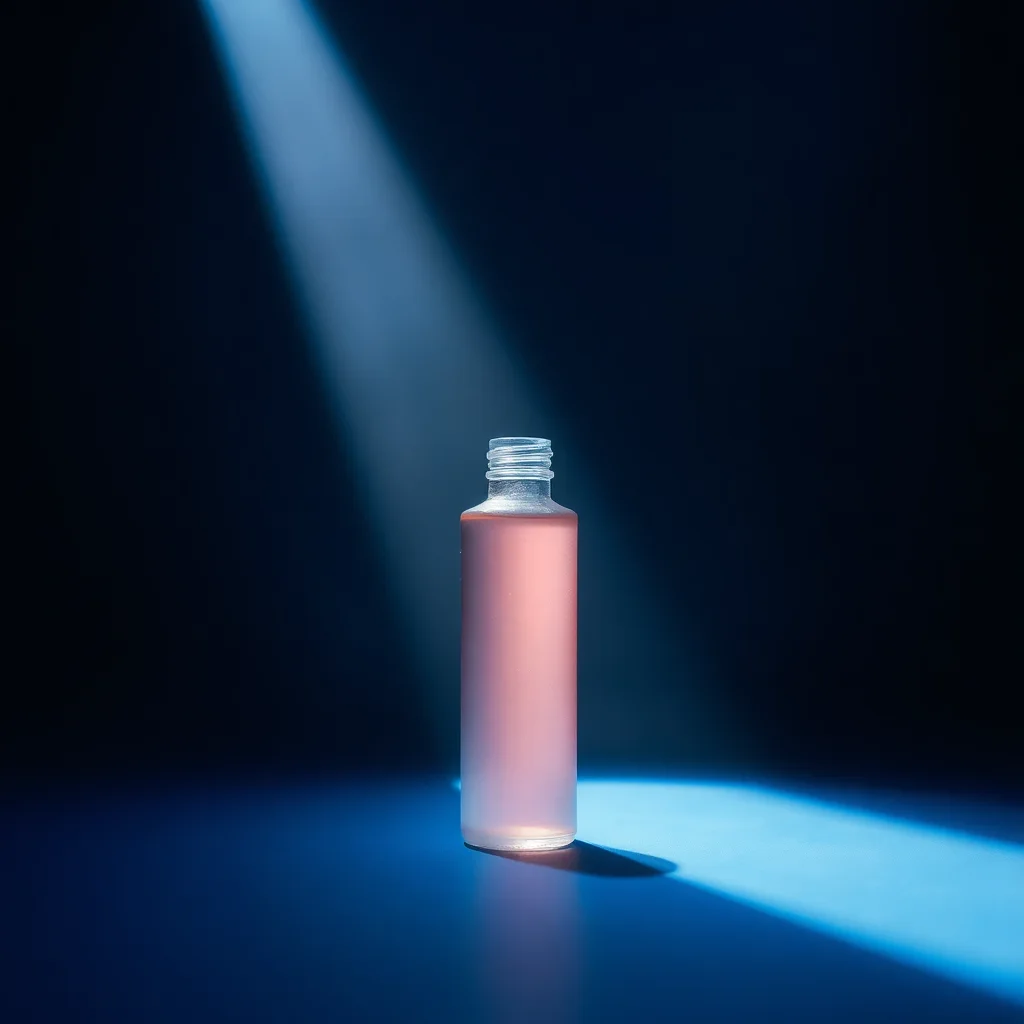
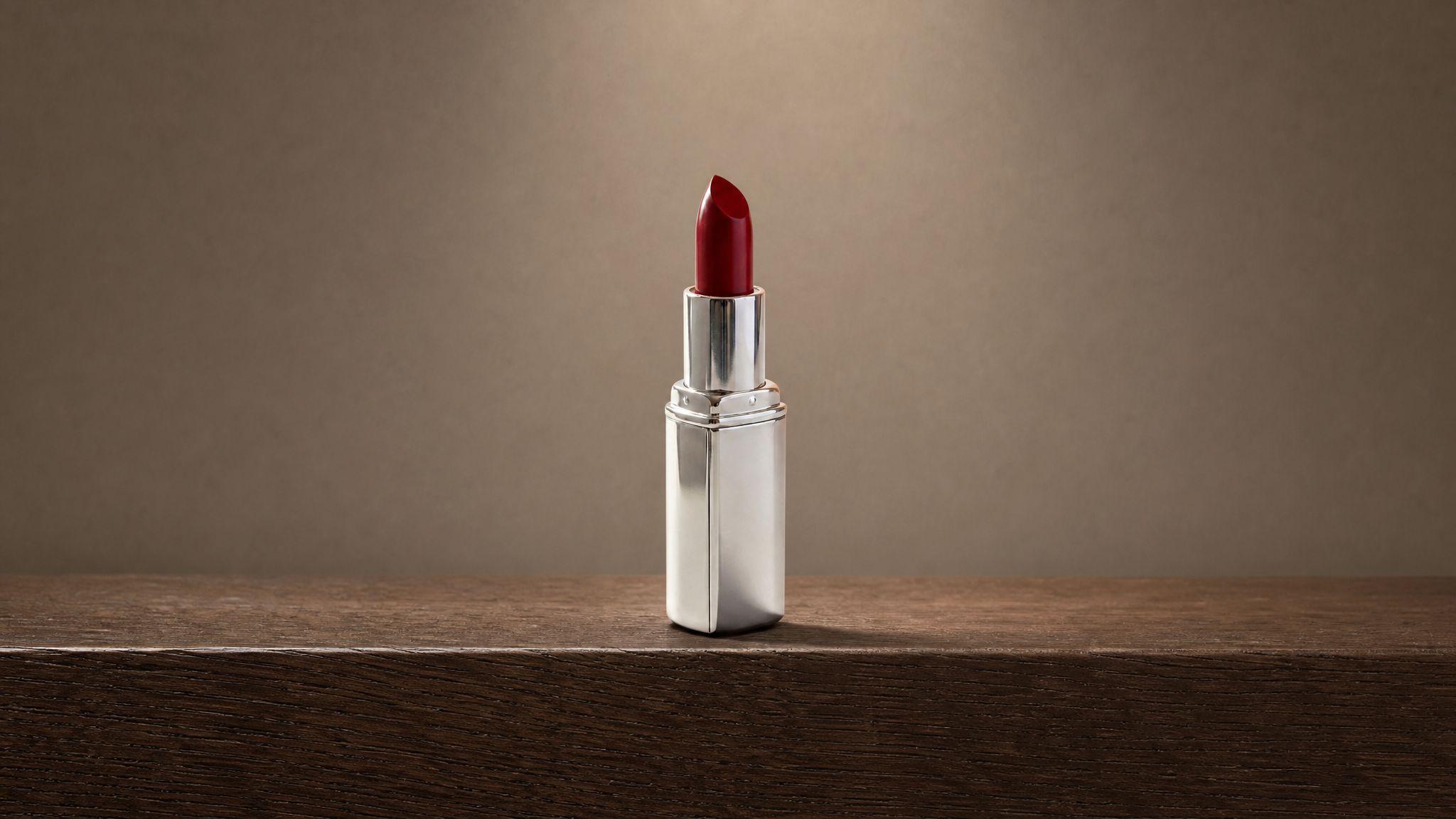
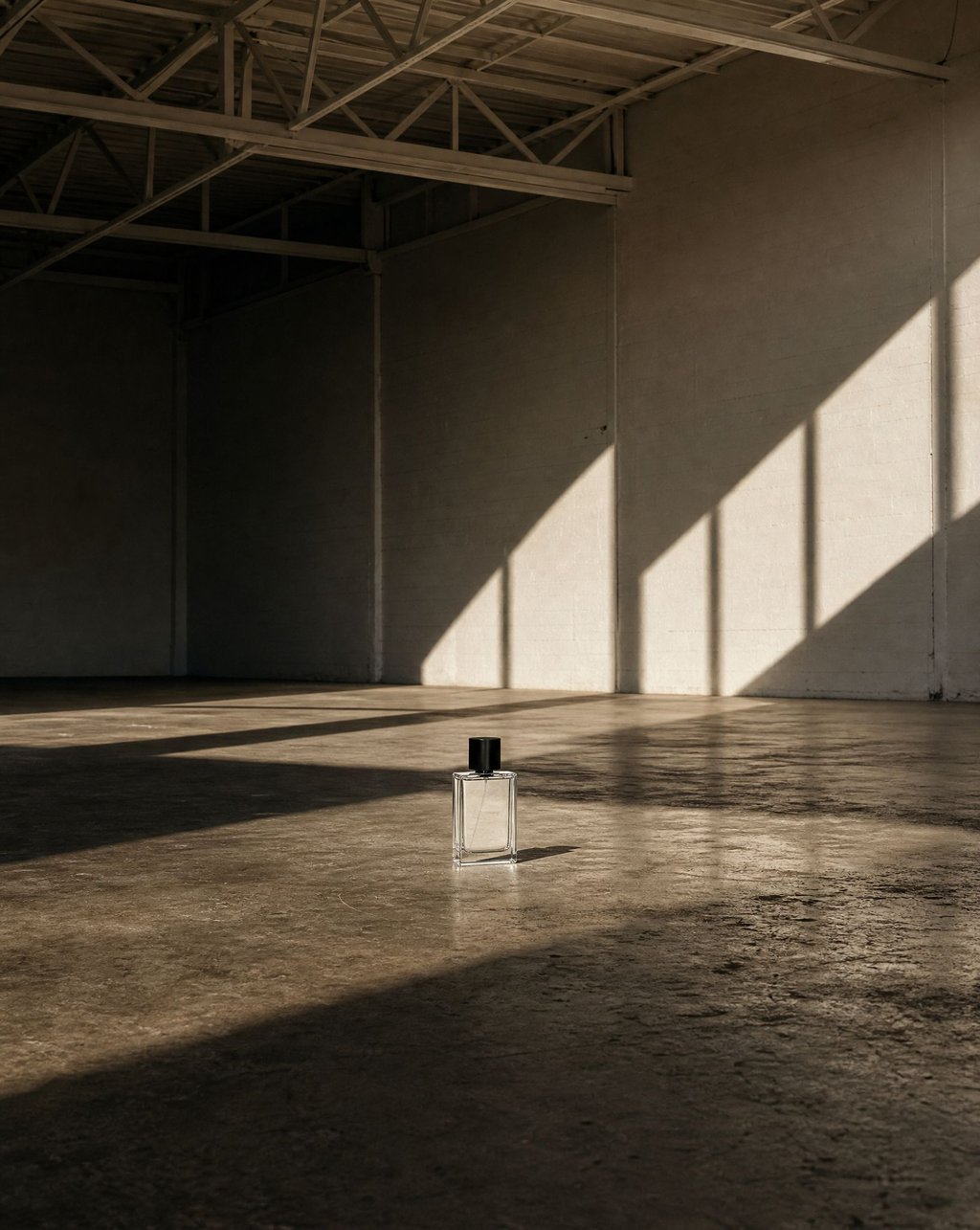
The workable split for a beauty listing is one neutral frame that tells the truth about colour, one mood frame that sells the tier, and one that shows scale – lipstick and serum bottles are notoriously hard to size from a cut-out. Put the neutral frame first in the gallery, because that is the one a returning customer checks against.

Holding one look across a shade range
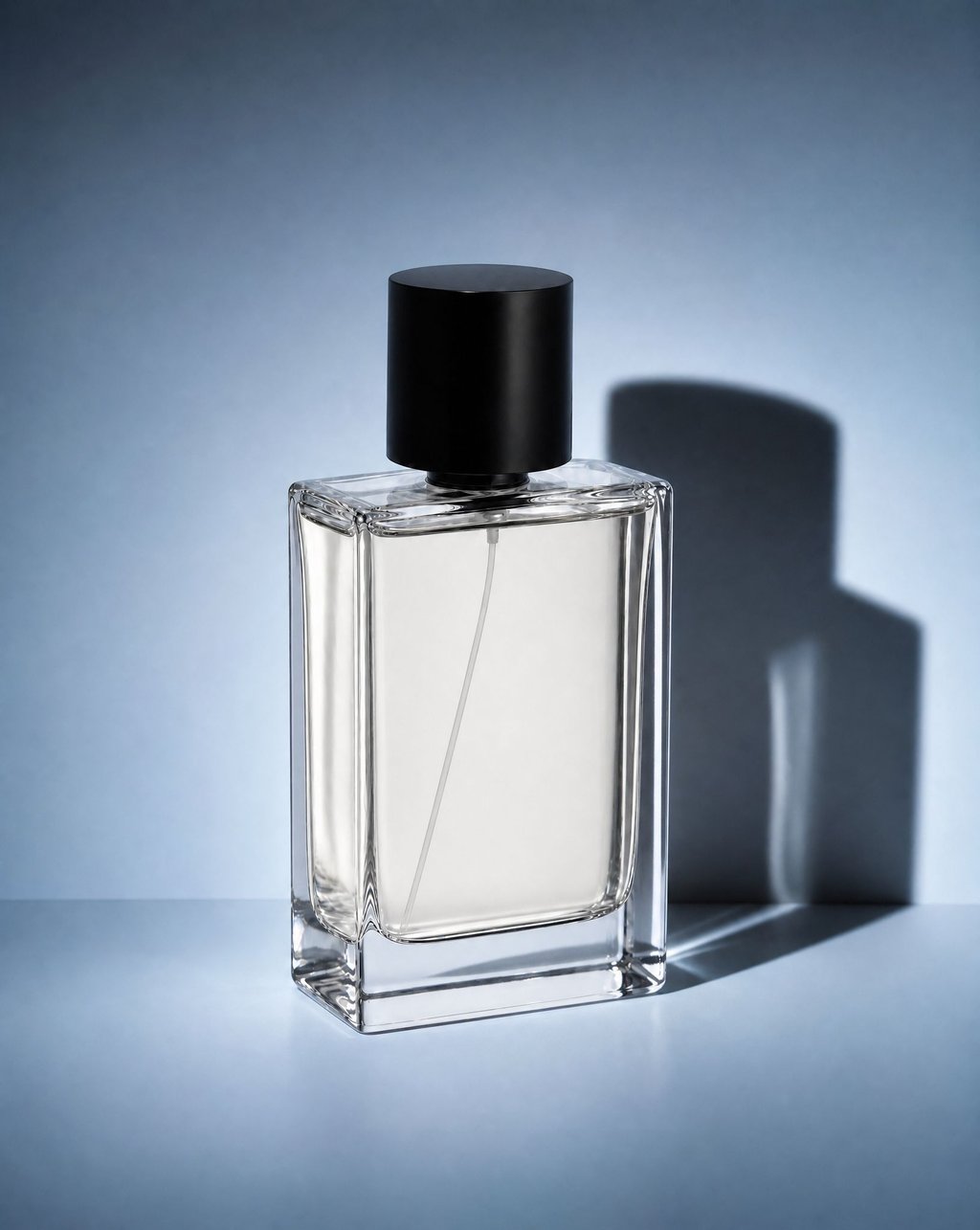
A beauty line is not one product, it is twelve shades displayed in a grid. The grid is where inconsistency becomes visible: if shade seven was staged on a slightly different ground, it reads as a different product line rather than a different colour.
This is the argument for storing the direction rather than repeating it. Kive holds the lighting, framing and environment as a studio and reapplies it to each shade, so the variation between frames is the product rather than the production. Basic is $20 per month for 1,000 credits, about 100 generations, with rollover up to twice the monthly limit (kive.ai/pricing). Our explainer on AI studios covers how that preset works, and the AI product shots guide covers the capture-then-apply sequence.
Beauty is the category where photography is closest to being the product. The buyer cannot smell the fragrance or swatch the shade, so the image carries the entire promise.
Which is why the discipline here runs the opposite way to most advice. Make the mood frame as dramatic as you like – it earns attention. Then make sure the frame next to it is boring enough to be trusted.
“Kive has saved my life - running Talga Cosmetics is 10 times easier with Kive because I can do visuals for my ecommerce, paid ads and social campaigns with a fraction of the time and money spent.”

Studios for beauty and skincare
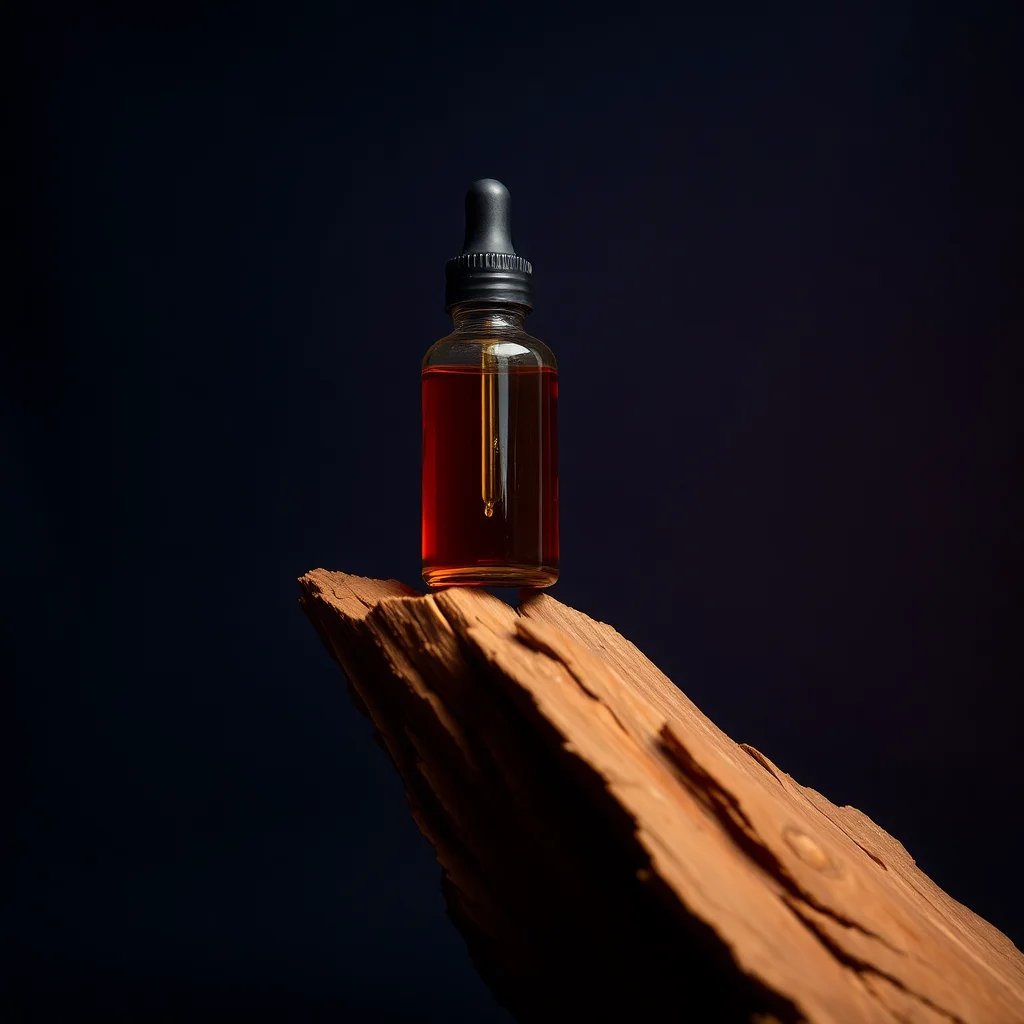
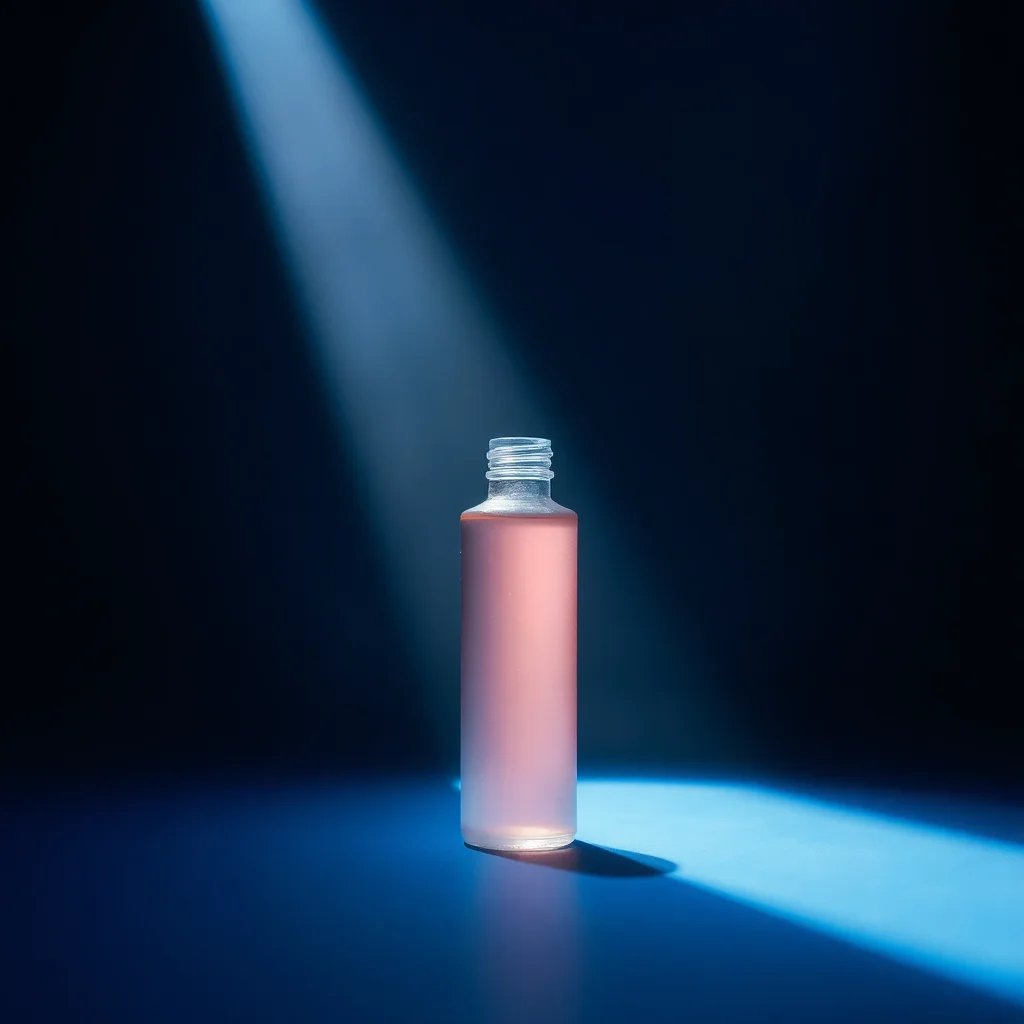
Live from Kive Discover. One neutral, one dramatic, both reusable across a shade range.
References