Brand Color Accuracy in Product Photography: 2026 Guide
By Olga Stogova
11 min read
Hot pink is a vibrant, eye-catching shade of pink that sits between red and magenta on the color wheel. It exudes energy and boldness, often associated with playful and youthful themes.
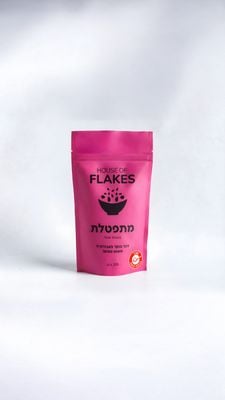



For variations within the same vibrant spectrum as hot pink, consider:
To complement hot pink's boldness, consider pairing it with:
To avoid clashing with hot pink's intensity, consider avoiding:
Hot pink represents boldness, energy, and a sense of fun. It is often associated with youthfulness and a carefree spirit. Psychologically, hot pink can evoke feelings of excitement and passion, making it a popular choice for designs that aim to capture attention. In art, photography, and design, hot pink is used to create a striking visual impact, often serving as a focal point or accent color.
The name "hot pink" emerged in the mid-20th century, capturing the vibrant and intense nature of this shade. It gained popularity in fashion and pop culture, symbolizing rebellion and individuality. In modern use, hot pink is often associated with bold, trendy designs and is frequently used in branding and marketing to attract attention and convey a sense of fun and excitement.











#FF69B4rgb(255, 105, 180)rgb(100%, 41%, 71%)0, 59, 29, 0hsl(330, 100%, 71%)330, 59, 100#FF69B465, 64, -1155, 35, 4765, 65, 35111111111, 01101001, 10110100Color(red: 1, green: 0.4117647058823529, blue: 0.7058823529411765)UIColor(red: 1, green: 0.4117647058823529, blue: 0.7058823529411765, alpha: 1.0)Color(0xFFFF69B4)Transform your creative process
Sign up for free and supercharge your creative workflow with Kive.