Everything about the color Dune

The meaning of the color dune and color combinations to inspire your next creation.

Click to edit

Browse images in the color dune

a man sitting in a tree with his legs crosseda black bag sitting on top of a cara picture of a cake with chocolate chips on top of ita woman in a trench coat standing in front of a white background

What color is dune?

Dune is a muted, earthy tone that sits between beige and taupe. It evokes a sense of calm and neutrality, reminiscent of sandy landscapes.


What are similar colors to dune?

For variations within the same muted and earthy spectrum as dune, consider:

  • Taupe (#483C32) shares dune's earthy neutrality with a slightly darker, more brownish undertone.
  • Beige (#F5F5DC) is lighter and softer, offering a more creamy and warm version of dune.
  • Sand (#C2B280) closely resembles dune with its sandy, natural hue, providing a slightly warmer feel.

What color goes with dune?

To complement dune's muted tones, consider pairing it with:

  • Sage (#BCB88A) provides a refreshing, green-tinged balance that enhances the earthy quality of dune.
  • Ivory (#FFFFF0) offers a soft, light contrast that highlights dune's subtle warmth.
  • Terracotta (#E2725B) adds a warm, reddish contrast that enlivens the neutral base of dune.

What color conflicts with dune?

To avoid clashing with dune's muted tones, consider avoiding:

  • Bright Red (#FF0000) can overpower the subtlety of dune with its intense vibrancy.
  • Neon Pink (#FF6EC7) risks overwhelming dune's earthy calmness with its bright, flashy hue.
  • Black (#000000) can create too stark a contrast, overshadowing dune's soft, neutral qualities.

What does the color dune represent?

Dune represents stability and simplicity, often associated with natural landscapes and a sense of groundedness. Psychologically, it evokes feelings of calmness and reliability, providing a soothing backdrop in various settings. In art and design, dune is used to create a neutral and balanced aesthetic, often serving as a versatile base that complements more vibrant colors.

What's the history of dune?

The color dune derives its name from the natural sand formations found in deserts and coastal areas. Its earthy, muted tone has been used historically in textiles and home decor to evoke a sense of nature and tranquility. In modern times, dune is popular in interior design for its ability to create a warm and inviting atmosphere without being overpowering.

Color Variations

Shades

Tints

Hues

Color Palettes

Monochromatic

Complementary

Analogous

Triadic

Tetradic


Images with dune color


a man sitting in a tree with his legs crossed
a black bag sitting on top of a car
a picture of a cake with chocolate chips on top of it
a woman in a trench coat standing in front of a white background
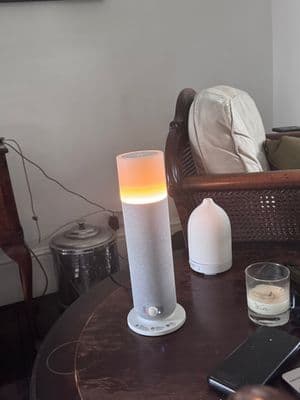
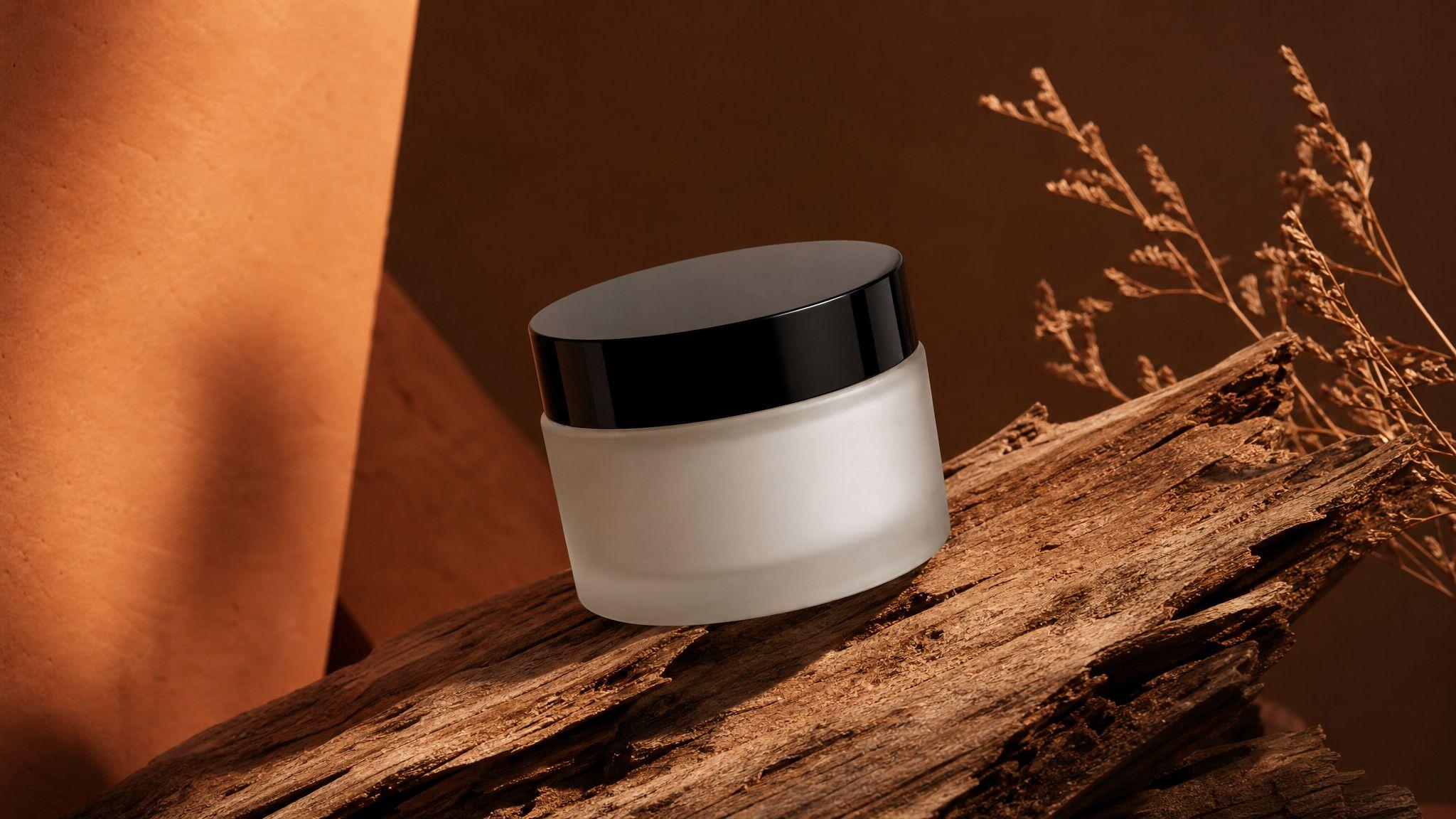
a close up of a bottle of perfume on a table
a purple flower sitting on top of a piece of wood
a close up of a plant with dirt on it
a lemon cut in half with the words top notes below it
a man holding a black leather bag by the ocean
a black bag hanging from the side of a yellow car
a black bag laying in a field of grass
a hand holding a black purse in front of a mountain


Color Conversions

HEX
#A39480
RGB DECIMAL
rgb(163, 148, 128)
RGB PERCENTAGE
rgb(64%, 58%, 50%)
CMYK
0, 9, 21, 36
HSL
hsl(34, 16%, 57%)
HSV (OR HSB)
34, 21, 64
WEB SAFE
#A39480
CIE-LAB
62, 2, 13
XYZ
30, 31, 25
CIE-LCH
62, 13, 80
BINARY
10100011, 10010100, 10000000
iOS - SwiftUI
Color(red: 0.6392156862745098, green: 0.5803921568627451, blue: 0.5019607843137255)
iOS - UIKit
UIColor(red: 0.6392156862745098, green: 0.5803921568627451, blue: 0.5019607843137255, alpha: 1.0)
Android - Compose
Color(0xFFA39480)


Transform your creative process

Sign up for free and supercharge your creative workflow with Kive.