Everything about the color Ash brown

Ash brown is a muted, earthy shade of brown that incorporates subtle gray undertones, giving it a cool, sophisticated appearance. It is often associated with natural elements like wood and stone.

Click to edit

Browse images in the color ash brown

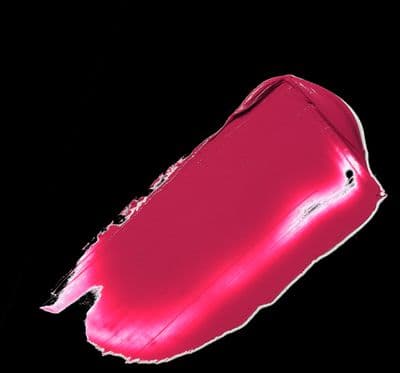
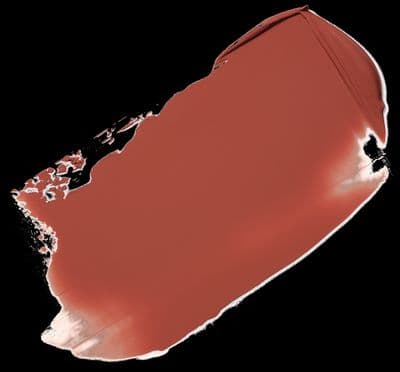
a close up of a red lipstick on a black backgrounda close up of a pink lipstick on a black backgrounda close up of a pink liquid bottlea close up of a red pencil on a black background

What are similar colors to ash brown?

For variations within the same earthy and muted spectrum as ash brown, consider:

  • Taupe (#483C32) shares ash brown's muted, earthy quality with a slightly more grayish undertone, offering a versatile neutral option.
  • Beige (#F5F5DC) is lighter but shares the natural, understated elegance of ash brown.
  • Mocha (#967969) is a richer, warmer version of ash brown, with a hint of chocolatey depth.

What color goes with ash brown?

To complement ash brown's muted tones, consider pairing it with:

  • Sage (#BCB88A) provides a refreshing, green-tinged balance that enhances the natural feel of ash brown.
  • Cream (#FFFDD0) offers a soft, warm contrast that highlights the subtle coolness of ash brown.
  • Lavender (#E6E6FA) adds a touch of elegance with its soothing, purple-tinged hue.

What color conflicts with ash brown?

To avoid clashing with ash brown's muted elegance, consider avoiding:

  • Black (#000000) can overpower the subtlety of ash brown.
  • White (#FFFFFF) risks washing out the understated depth of ash brown.
  • Gray (#808080) could dull the natural vibrancy of ash brown.

What does the color ash brown represent?

Ash brown symbolizes stability, reliability, and a connection to the earth. It evokes a sense of calm and groundedness. Psychologically, it is associated with practicality and dependability, often used to create a sense of warmth and comfort. In art and design, ash brown is favored for its versatility and ability to complement a wide range of colors, adding depth and sophistication to compositions.

What's the history of ash brown?

The name "ash brown" originates from the natural color of ash wood, known for its muted, earthy tones. This color has been used historically in various forms of art and design to evoke a sense of natural beauty and simplicity. In modern times, ash brown has gained popularity in fashion and interior design for its versatility and ability to create a warm, inviting atmosphere.


Color Variations

Shades

Tints

Hues

Color Palettes

Monochromatic

Complementary

Analogous

Triadic

Tetradic


Images with ash brown color


a close up of a red lipstick on a black background
a close up of a pink lipstick on a black background
a close up of a pink liquid bottle
a close up of a red pencil on a black background
a close up of a pink pencil with a black background
a close up of a red and white object on a black background
a close up of a pink and white liquid
a close up of a pink liquid with a black background
a close up of a red and white container on a black background
a close up of a pink lipstick on a black background
a hummingbird flying next to a red flower
a green hummingbird flying through the air


Color Conversions

HEX
#A52A2A
RGB DECIMAL
rgb(165, 42, 42)
RGB PERCENTAGE
rgb(65%, 16%, 16%)
CMYK
0, 75, 75, 35
HSL
hsl(0, 59%, 41%)
HSV (OR HSB)
0, 75, 65
WEB SAFE
#A52A2A
CIE-LAB
38, 50, 31
XYZ
17, 10, 3
CIE-LCH
38, 58, 32
BINARY
10100101, 00101010, 00101010
iOS - SwiftUI
Color(red: 0.6470588235294118, green: 0.16470588235294117, blue: 0.16470588235294117)
iOS - UIKit
UIColor(red: 0.6470588235294118, green: 0.16470588235294117, blue: 0.16470588235294117, alpha: 1.0)
Android - Compose
Color(0xFFA52A2A)


Transform your creative process

Sign up for free and supercharge your creative workflow with Kive.